
As the seasons shift and temperatures start to cool down, many homeowners begin wondering: Is it a good time to paint in September and October? If you’re considering giving your home a fresh coat of paint before winter, timing is everything. The truth is, fall can be one of the best times of year for painting projects — but there are some important factors to consider to ensure your paint job turns out perfect and lasts for years to come.
In this blog, I’ll break down the pros and cons of painting in September and October, share expert tips, and help you decide whether now is the right time for your home improvement project.
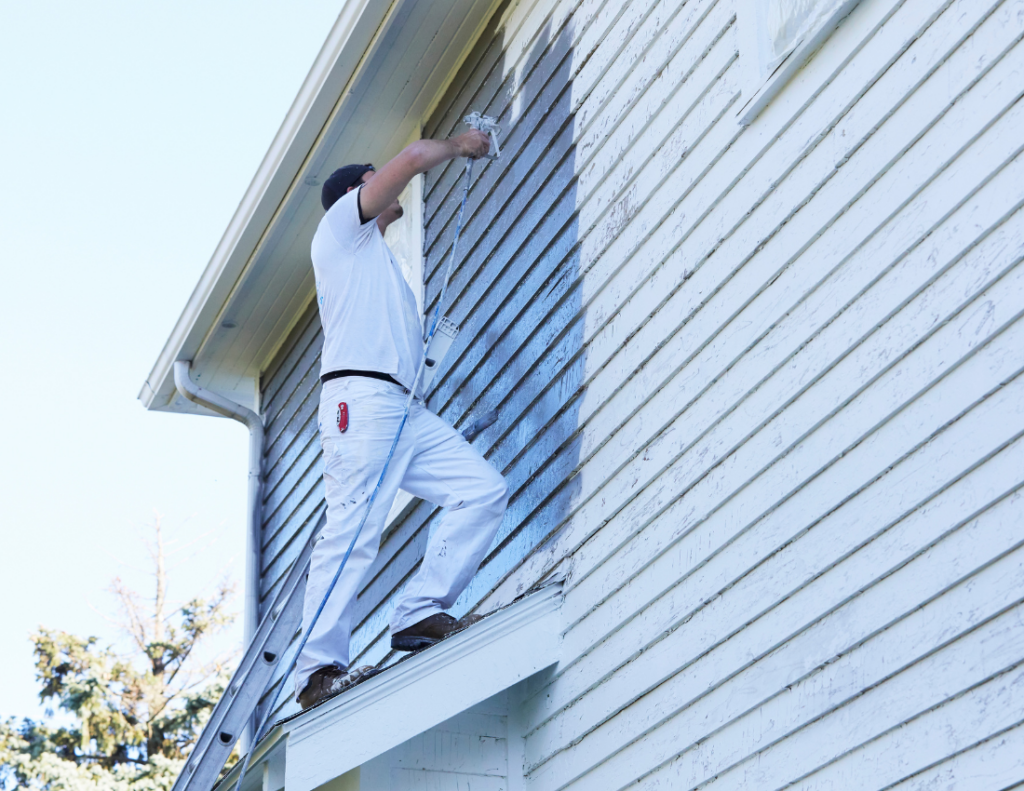
Why Fall Can Be a Great Time to Paint
1. Cooler Temperatures and Lower Humidity
One of the biggest advantages of painting in the fall is the milder weather. During September and October, temperatures typically range between 50°F and 75°F — ideal for most paints to dry and cure properly. Unlike the hot summer months, where high temperatures can cause paint to dry too quickly and lead to cracks or uneven finishes, fall provides a more controlled environment.
Lower humidity levels are also a plus. Excess moisture in the air can slow down drying times, cause bubbles, or lead to peeling. Fall’s drier conditions create optimal drying and curing conditions, resulting in a smoother, more durable finish.
2. Less Dust and Pollen
Spring and summer generally bring higher pollen counts and more airborne dust, which can settle on freshly painted surfaces. In contrast, fall tends to be cleaner, making it easier to achieve a flawless finish.
3. Better Scheduling and Availability
Fall is often a less busy season for painters and contractors, meaning you might find it easier to schedule your project with professionals or secure your preferred dates if you’re planning to DIY.
Potential Challenges of Painting in September to October
While fall has many advantages, there are some factors to keep in mind:
1. Temperature Fluctuations
Although fall temperatures are generally ideal, they can fluctuate significantly day-to-day or even within a single day. Sudden drops in temperature below 50°F or unexpected frosts can interfere with paint drying and curing. Always check the forecast and aim to paint during consistently mild days.
2. Shorter Days
As daylight hours decrease, it can become tricky to complete outdoor projects within a single day. Proper planning ensures you finish before the sun sets, especially when working with paints that require good lighting conditions.
3. Risk of Rain
Fall weather can be unpredictable. Rain or heavy dew can ruin a fresh paint job, so it’s important to monitor the weather forecast closely. Always choose a period of several dry days for painting.
Tips for Painting in September and October
If you decide that fall is the right time for your project, here are some expert tips to maximize your results:
1. Check the Weather Forecast Carefully
Aim for at least 48 hours of clear, dry weather. Avoid days with high humidity, rain, or significant temperature drops. Early morning or late afternoon painting is ideal, as temperatures tend to be warmer and more stable.
2. Prepare Surfaces Thoroughly
Fall’s lower humidity means your paint will adhere better if surfaces are clean, dry, and free of dirt or mold. Power wash siding, fences, or decks beforehand, and repair any damages. Proper prep ensures your finished project lasts longer.
3. Use Quality Paints and Primers
High-quality exterior paints and primers are designed to withstand cooler temperatures and variable weather. Discuss your specific needs with your local paint store or professional painter to select the best products.
4. Plan for Shorter Days
Schedule your work during daylight hours and aim to finish each section before sunset. Good lighting and consistent conditions lead to a more even, professional finish.
5. Consider the Time Needed for Curing
Paint needs time to cure fully, which can take several days to weeks depending on the product. Avoid exposing freshly painted surfaces to rain, heavy dew, or frost during this period.

Man pours paint into the tray and dips roller. Professional interior construction worker pouring white color paint to tray.
When Is It Not a Good Idea to Paint?
While fall can be an excellent time for painting, there are situations where it might not be ideal:
- Forecast predicts rain or frost within the next 24-48 hours.
- Temperatures are expected to drop below 50°F for an extended period.
- Persistent high humidity or dew is common in your area.
In such cases, it’s better to wait for a more stable period or plan your project for late spring or early summer.
Final Verdict: Is Now a Good Time to Paint?
Absolutely, yes — September and October can be ideal for painting if you plan carefully. The cooler, drier weather conditions promote better adhesion, faster drying, and a longer-lasting finish. Plus, with less competition for contractor schedules, you might find it easier to get the professional help you need.
Just remember to keep an eye on the weather forecast, choose days with stable, mild conditions, and prepare your surfaces properly. Whether you’re tackling an exterior wall, fence, deck, or shutters, fall can be the perfect season to refresh your home’s look before winter arrives.
Need Help With Your Fall Painting Project?
If you’re unsure about timing or want professional assistance, our team at [Your Company Name] is here to help! We specialize in exterior painting projects and are experienced in working within the seasonal window to deliver durable, beautiful results. Contact us today for a free estimate and let’s make your home look fantastic this fall.
Remember, good planning and preparation are key to a successful painting project. So, if you’re considering painting in September or October, now’s the time to start scheduling — don’t wait until it’s too late!